
The Silent Impact on Families: When War Comes Home
Too Tough to Cry is not written solely for those who have worn the uniform. One of its most powerful contributions is how clearly it speaks to spouses, children, and loved ones who are left struggling to understand why “home” no longer feels like home. Roy K. Vogel pulls back the curtain on a reality many families live with every day: the war does not end when deployment does. Instead, it often follows the service member home, reshaping family life in quiet but devastating ways.
For families, the change can feel sudden and confusing. The person who returned looks the same, yet something fundamental feels different. Laughter is rare. Conversations feel guarded. Minor disagreements escalate into explosive conflicts or, just as painfully, into complete emotional withdrawal. Vogel shows that these changes are not signs of indifference or lack of love but symptoms of an internal system pushed far beyond its limits.
Trauma’s Ripple Effect Inside the Home
One of the most critical insights in Too Tough to Cry is Vogel’s explanation of trauma as a ripple effect rather than an isolated experience. While the veteran carries the direct psychological injury, the emotional waves extend outward, touching everyone in the household. Strained marriages, fractured communication, and emotional distance are not secondary issues – they are part of the trauma itself.
Vogel explains how hypervigilance, a typical trauma response, can make a veteran seem controlling, irritable, or perpetually on edge. Ordinary household noises may trigger an intense reaction. A simple request can feel like a threat. Loved ones often walk on eggshells, unsure of what might provoke anger or shutdown. Over time, this constant tension erodes the sense of safety that home is supposed to provide.
Emotional Withdrawal and Misunderstood Silence
Emotional withdrawal is one of trauma’s most painful manifestations for families. Without understanding its source, spouses and children often interpret silence and distance as personal rejection. They wonder if they’ve done something wrong, if they’re no longer loved, if the person they knew is simply gone. Vogel emphasizes that this withdrawal is rarely about the family at all – it’s a protective response born from overwhelming internal pain.
Veterans often experience numbness, disconnection, and exhaustion that makes even minor life details feel insurmountable. Social interactions – even with those they love most – become draining. What families perceive as indifference is often emotional overload and a desperate attempt to prevent loved ones from witnessing the depth of their struggle. This creates a painful cycle: the veteran withdraws to protect the family, while the family feels abandoned and begins to blame themselves.
Anger, Irritability, and the Weight of Misinterpretation
Anger and irritability are among the most challenging symptoms for families to navigate. Vogel explains that trauma can lock the nervous system in survival mode, with the brain remaining wired for threat detection long after returning home. Veterans often learned to survive by staying alert, reacting quickly, and maintaining control – and even in the safety of civilian life, they remain in this hypervigilant state.
For families, this can be confusing and frightening. A simple question or minor household issue can trigger an outburst of anger that seems completely disproportionate to the situation, leaving everyone shaken and confused. Vogel makes clear that trauma-driven anger is not about control or cruelty – it is the nervous system misfiring under constant stress.
Without understanding trauma’s role, families often personalize these reactions. They believe they’ve caused the anger, that they’re doing something wrong, or that the relationship is fundamentally broken. This misinterpretation deepens everyone’s pain.
Children and the Unseen Consequences
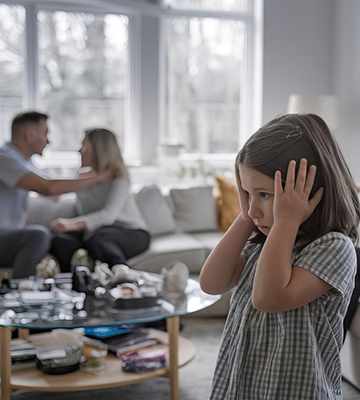
Children are particularly vulnerable to the effects of unaddressed trauma. When they witness a parent’s unpredictable anger, emotional distance, or inability to engage, they often conclude that they are the problem. They may feel rejected, overlooked, or unloved, leading them to develop lasting insecurities and a damaged relationship with that parent.
Vogel highlights how children respond to trauma in the household: some become hypervigilant themselves, constantly monitoring their parent’s mood. Others learn to suppress their own needs to avoid triggering outbursts. Still others withdraw emotionally, building walls to protect themselves from repeated disappointment. Too Tough to Cry draws attention to these long-term consequences, emphasizing that without understanding and communication, trauma’s impact extends across generations.
Families as the First Witnesses
Vogel makes a critical point: families are always the first to recognize that something has changed. They notice the differences in mood, sleep patterns, and behavior that the veteran may not yet acknowledge or understand. They see the person they love struggling but often feel helpless, unsure whether to intervene or remain silent.
Loved ones frequently ask themselves: What happened? Why are they not like they used to be? Should I push them to talk or give them space? Vogel validates these questions while providing families with a framework for understanding what they’re witnessing. He helps them see that their observations are not imagined – and that their instinct to help is not misplaced.
From Blame to Empathy
One of the most healing contributions of Too Tough to Cry is its ability to shift families from blame to empathy. Vogel does not minimize the pain families experience, nor does he ask them to accept harmful behavior. Instead, he provides context – explaining how trauma alters perception, emotion, and response.
This understanding allows families to separate the person they love from the injury they are carrying. It creates space for compassion without denial, boundaries without rejection, and support without self-sacrifice. Empathy, Vogel suggests, is not about fixing the veteran – it is about seeing the whole picture.
Rebuilding Connections Through Understanding
While Vogel is honest about the damage trauma can cause, he also emphasizes that understanding opens the door to healing. When families learn what trauma does to the mind and body, conversations begin to change. Reactions are no longer seen as personal attacks, but as signals of distress. Withdrawal is no longer rejection, but a sign of exhaustion.
This shift does not erase pain, but it creates a foundation for rebuilding trust and connection. Families are better equipped to encourage help, set healthy boundaries, and support recovery without losing themselves in the process.
Final Thoughts
Too Tough to Cry offers families something rare and invaluable: validation of their experience and a path toward understanding. Roy K. Vogel makes clear that trauma does not only affect the person who experienced it directly – it reshapes entire family systems. But he also demonstrates that understanding trauma is what can keep those bonds intact.
By helping families see beyond the symptoms to the underlying injury, Vogel offers something profound: the possibility that healing begins with compassion, and that families can find their way back to connection even after trauma has taken so much away.